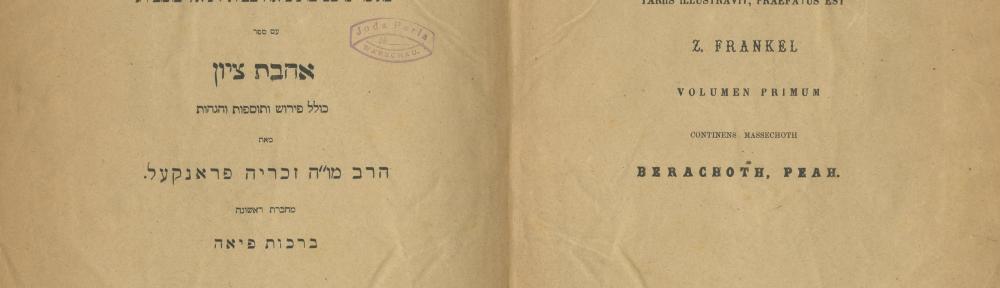
MISHNAH: Rebbi Neḥoniah ben Haqqanah used to recite a short prayer when he entered and when he left the house of study. They asked him, what kind of prayer is this? He told them: When I enter, I pray that no mishap should come through me and when I leave I give thanks for my lot….
Gemara:…. In the house of Rebbi Yannai they say: He who awakes from his sleep must say “Praised are You, o Eternal, Who resurrects the dead. My Lord, I sinned before You. May it please You, o Eternal, my God, that You might give me a good heart, good part, good inclinations, good hope, good repute, benevolent eye, good soul, meek soul and meek spirit. Your Name should not be desecrated by us; do not make us a byword in the mouths of all creatures; our future should not end in destruction, nor our hope in sorrow… (Jerusalem Talmud Berachot 4:2)
There are many personal prayers in tractate Berachot in both of the Talmuds, and many of them resonate powerfully to this day. But coming across this one – a prayer both about personal responsibility and about the responsibility we have for others, feels particularly relevant to this season and this year. Rebbi Nehonia was a contemporary of R. Yochanan ben Zakkai, a 2nd generation tanna. He directed his own academy and authored several prayers and laws. Highly respected by his peers, he attributed his unusually advanced age to his harmonious relations with others. His prayer that he would not mislead or misinform others in the study house, and his gratitude for his lot show both humility and deep appreciation for his life. But it is the prayer of R. Yannai, to be said every morning on wakening and to add to the blessing for the return of the soul to the body, asking God for a good heart, good reputation, good actions… and then the petition that our actions align with God’s expectations of us, that we do not act to create a Hillul haShem, desecrating the name of God in the world, and finally that we should continue into the future, that we should continue to hope. The prayer goes from the very personal and individual into the equally personal but communal space – we belong to a community, how we behave in that community and how that community behaves in our name is part of the same “whole”.
rabbisylviarothschild
the occasional thoughts of a working woman rabbi in England