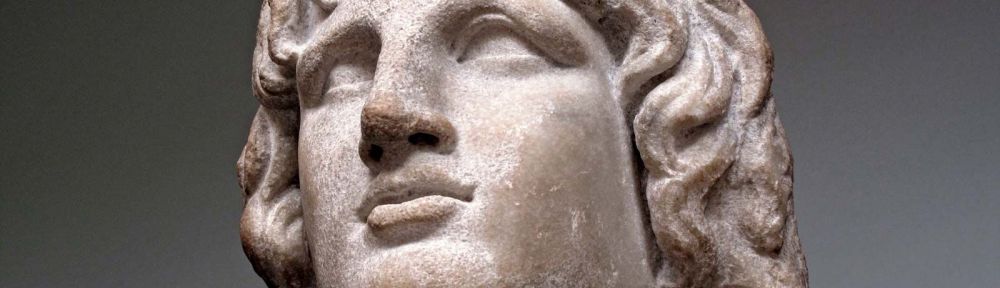
In the Babylonian Talmud, Tamid 32a, are recorded a series of questions that Alexander of Macedon (Alexander the Great) asked the Elders of the Negev
We read “Alexander said to the Elders: Who is truly worthy of being called wise? They said to him, citing a tradition (see Avot 2:9): Who is the wise person? The one who sees and anticipates the consequences of his behaviour. He said to them: Who is truly worthy of being called mighty? They said to him, again citing a tradition (see Avot 4:1): Who is the mighty person? The one who masters his desire. He said to them: Who is worthy of being called wealthy? They said to him: Who is the wealthy person? The one who is pleased with his own portion (see Avot 4:1).
The text presents, as if in a debate, the viewpoints of Alexander and Hellenism against the viewpoints of the Elders and Judaism. But for me the standout is the response to his question – “who is truly worthy of being called wise” . We are most used to seeing this question being answered by the text in Avot, and the response of ben Zoma (Avot 4:1) – “The one who learns from every person” – but here is a slightly different response – אֵיזֶהוּ חָכָם – הָרוֹאֶה אֶת הַנּוֹלָד – literally “the one who sees what is born”, – understood as the one who recognises that actions have consequences, and who therefore tries to anticipate and if necessary mitigate those consequences.
Much of the act of teshuvah is predicated on looking back, remembering, regretting, trying to ameliorate actions we have already committed. Tradition occasionally nudges us that some of this regret might not be necessary if we paid a little more attention to anticipating the impact of how we are behaving, and maybe hold back or do things differently.
rabbisylviarothschild
the occasional thoughts of a working woman rabbi in England