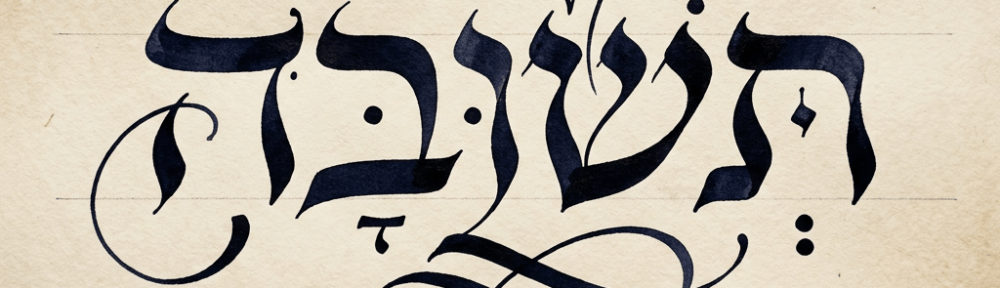
Who has achieved complete teshuvah? A person who confronts the same situation in which he [or she] sinned and abstains, although that person has the potential to commit the sin again.… Sinners should abandon their sins and remove them from [their] thoughts, resolving in [their] hearts never to commit them again. (Maimonides, Mishneh Torah, Laws of Repentance 2:1–2)
Rabbi Bunam was asked: “How can a person know if their repentance is genuine?” He replied: “They will know their repentance is complete if they lose the desire to commit those very offences again.”
Teshuvah is a process of repair, of growing past what are sometimes long ingrained habits, and of renewing ourselves. We might regret and acknowledge and make amends as we review our past selves and our actions, but there is more to the process than this. To be in a position to repeat behaviours that we would be none to proud to remember after the event – though which may offer a gratification or a benefit in the immediate moment – and to make the conscious decision not to do so, not out of fear of the consequences but out of a genuine sense of our own spiritual growth, is a mark of a teshuvah that has changed us as we move into the future.
rabbisylviarothschild
the occasional thoughts of a working woman rabbi in England