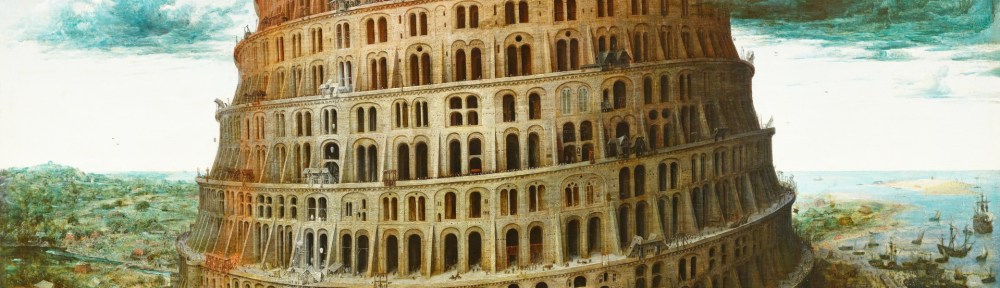
ירד ה’ לראות
Targum Onkelos – the translation of Onkelos, is a understood to be an authentic translation of the torah text into Babylonian Aramaic, probably composed around 80-120 CE.
In the Talmud (Megilla 3a:7) the rabbis thought it to be from the time of Ezra and Nehemiah and the return to Israel from Babylonian exile – around 450 BCE, showcased in the famous event on Rosh Hashanah when Nehemiah and Ezra read the whole Torah to the returned exiles at the water gate, translating and explaining as they went (Neh 8).
We read:
וְתַרְגּוּם שֶׁל תּוֹרָה, אוּנְקְלוֹס הַגֵּר אֲמָרוֹ? וְהָא אָמַר רַב אִיקָא בַּר אָבִין אָמַר רַב חֲנַנְאֵל אָמַר רַב: מַאי דִּכְתִיב: ״וַיִּקְרְאוּ בְּסֵפֶר תּוֹרַת הָאֱלֹהִים מְפוֹרָשׁ וְשׂוֹם שֶׂכֶל וַיָּבִינוּ בַּמִּקְרָא״. ״וַיִּקְרְאוּ בְּסֵפֶר תּוֹרַת הָאֱלֹהִים״ — זֶה מִקְרָא; ״מְפוֹרָשׁ״ — זֶה תַּרְגּוּם;
The Gemara asks: Was the translation of the Torah really composed by Onkelos the convert? Didn’t Rav Ika bar Avin say that Rav Ḥananel said that Rav said: What is the meaning of that which is written with respect to the days of Ezra: “And they read in the book, the Torah of God, distinctly; and they gave the sense, and they caused them to understand the reading” (Nehemiah 8:8)? The verse should be understood as follows: “And they read in the book, the Torah of God,” this is the scriptural text; “distinctly,” this is the translation, indicating that they immediately translated the text into Aramaic, as was customary during public Torah readings.
Quite who Onkelos was is impossible to know. There are those who consider him to be the same person as Aquila of Sinope, a convert and a student of Rabbi Akiva, who translated the Hebrew bible into Greek (possibly before his conversion) , and into Aramaic after converting.
We may never know who he was, but one characteristic stands out – the Targum Onkelos revises and mitigates language that might suggest that God has any kind of corporeality, or any anthropomorphic aspects.
The other thing that the translation of Onkelos avoids is the sense of a spatial relationship between the heavens as the abode of the divine, and the earth.
So in the story of the Tower of Babel, when the biblical text (Gen 11:4-7) reads:
וַיֹּאמְרוּ הָבָה נִבְנֶה־לָּנוּ עִיר וּמִגְדָּל וְרֹאשׁוֹ בַשָּׁמַיִם וְנַעֲשֶׂה־לָּנוּ שֵׁם פֶּן־נָפוּץ עַל־פְּנֵי כׇל־הָאָרֶץ׃
וַיֵּרֶד יְהֹוָה לִרְאֹת אֶת־הָעִיר וְאֶת־הַמִּגְדָּל אֲשֶׁר בָּנוּ בְּנֵי הָאָדָם׃
וַיֹּאמֶר יְהֹוָה הֵן עַם אֶחָד וְשָׂפָה אַחַת לְכֻלָּם וְזֶה הַחִלָּם לַעֲשׂוֹת וְעַתָּה לֹא־יִבָּצֵר מֵהֶם כֹּל אֲשֶׁר יָזְמוּ לַעֲשׂוֹת׃
הָבָה נֵרְדָה וְנָבְלָה שָׁם שְׂפָתָם אֲשֶׁר לֹא יִשְׁמְעוּ אִישׁ שְׂפַת רֵעֵהוּ׃
And they said, “Come, let us build us a city, and a tower with its top in the sky, to make a name for ourselves; else we shall be scattered all over the world.” GOD came down to look at the city and tower that the mortals had built, and GOD said, “If, as one people with one language for all, this is how they have begun to act, then nothing that they may propose to do will be out of their reach. Let us, then, go down and confound their speech there, so that they shall not understand one another’s speech.”
Onkelos translates it as:
וַאֲמָרוּ הָבוּ נִבְנֵי לָנָא קַרְתָּא וּמַגְדְּלָא וְרֵישֵׁיהּ מָטֵי עַד צֵית שְׁמַיָּא וְנַעְבֵּיד לָנָא שׁוּם דִּילְמָא נִתְבַּדַּר עַל אַפֵּי כָל אַרְעָא:
וְאִתְגְּלִי יְיָ לְאִתְפְּרָעָא עַל עוֹבָדֵי קַרְתָּא וּמַגְדְּלָא דִּי בְנוֹ בְּנֵי אֱנָשָׁא:
וַאֲמַר יְיָ הָא עַמָּא חַד וְלִישָׁן חַד לְכָלְּהוֹן וְדֵין דְּשָׁרִיוּ לְמֶעְבָּד וּכְעַן לָא יִתִּמְנַע מִנְהוֹן כֹּל דִּחַשִּׁיבוּ לְמֶעְבָּד:
הָבוּ נִתְגְּלִי וּנְבַלְבֵּל תַּמָּן לִישָׁנְהוֹן דִּלָא יִשְׁמְעוּן אֱנַשׁ לִישַׁן חַבְרֵיהּ:
Then they said, Come, we will build ourselves a city, and a tower whose top will reach the height of the heavens. Thus we will make ourselves a name, so that we will not be scattered all over the face of the earth. Adonai became revealed in order to punish them because of the building of the city and the tower that the sons of man built. Adonai said, Behold, they are one people, all having one language, and this is their first undertaking. Now will nothing be unattainable for them, [to do] whatever they have a mind to do? Come, let us be revealed and jumble their language, that they will not understand one another’s language.
Why does Onkelos reject the idea of God descending to earth to see what is happening there?
The phrase “va’yered Adonai” ירד ה’ appears in Tanach in a very few places – here in the story of the Tower of Babel, and once in potentia in Genesis 18:20 when “GOD said, “The outrage of Sodom and Gomorrah is so great, and their sin so grave! I will go down to see whether they have acted altogether according to the outcry that has reached Me; if not, I will take note.”
It appears twice in the book of Exodus, once at Sinai when God “descends on Mt Sinai and calls Moses up the mountain” (Ex 19:20) and again when Moses, having shattered the original tablets of stone on which were engraved the ten commandments, is told to come and repeat the process – this time God appears in a cloud next to Moses and declares the attributes of God (Ex 34:5).
The next time God “descends” is in the Book of Numbers, in the strange tale of the prophesying elders. The people are exhausted and frightened and complain against God, angering God and causing a fire to break out against them. They cried out, Moses prayed to God and the fire ends. But the people are hungry and demand meat to eat, remembering the fish, cucumber, melons, leeks, onions and garlic that were so plentiful in Egypt, whereas now all they have is manna to eat. The people complain and weep, distressing Moses and angering God, and Moses says to God “why do I have to carry the burden of these people alone? I would rather die than continue trying to lead them” God’s response is to tell Moses to collect seventy elders of the people, bring them to the Tent of Meeting, and God will spread the burden of leadership from Moses alone to the seventy elders. God then tells Moses to say to the people “Purify yourselves for tomorrow and you shall eat meat, for you have kept whining before GOD and saying, ‘If only we had meat to eat! Indeed, we were better off in Egypt!’ GOD will give you meat and you shall eat.” When Moses queries the logistics of feeding so many people the meat God appears to be promising, God asks “is there a limit to My power?” So Moses gathers the elders, and sure enough: “Then, after coming down in a cloud and speaking to him, GOD drew upon the spirit that was on him and put it upon the seventy elders. And when the spirit rested upon them, they spoke in ecstasy, but did not continue.” The end of the story is graphic and gory – an enormous number of quail appear, the people eat and eat and overeat, and God causes a plague among them and many of them die…..
And the final time that God “descends” in the Tanach – in Numbers 12, Miriam and Aaron are complaining about Moses and his marriage to the Cushite woman, and that they too have the gift of prophecy and leadership, not only Moses. God calls all three siblings to the Tent of Meeting and descends in a pillar of cloud, calls Miriam and Aaron forward and in no uncertain terms explains the very particular relationship with Moses that they do not share, and follows up by causing Miriam to be struck by a skin disease of pure white scaliness which causes her to be exiled from the camp until she is healed.
It would appear that when God descends it is either to demand more moral behaviour, or to punish those who are complaining about God or even challenging God’s decisions. But there is also an element in these narratives of God revealing something particular about God-self – the covenant at Sinai, the organiser and provider of the exodus and sojourn in the desert with its concomitant expectations, and most clearly the unique nature of the divine relationship with Moses.
While much of bible has a sort of perpendicular dimension – God is most naturally to be found in the highest heavens, to be met or worshipped at the tops of mountains, a figure who might occasionally descend from there to earth, or send heavenly angels to do this on behalf of the divine, Onkelos rejects the imagery of God descending from one realm to another in favour of God revealing God’s self and purpose with acts of judgement.
The survivors of the great flood, traumatised and determined never to feel so vulnerable again, make a decision to reach into God’s domain by building a tower so high it reaches into the heavens. It is as if they are not only aiming to challenge God, but to venture into the divine domain, even to take on the role and responsibility of God. They are determined now to וְנַעֲשֶׂה־לָּנוּ שֵׁם פֶּן־נָפוּץ עַל־פְּנֵי כׇל־הָאָרֶץ to make for themselves a name, to prevent them from being scattered across the earth. The phrase echoes the story of Adam and Eve: the creation of names, the expulsion and scattering from a place where they feel secure and unified, to fend for themselves in a frightening environment.
It is as if the people imagine the way to protect themselves is to infiltrate the heavens and so they build a vertical bridge in order to claim that space. Onkelos, living and writing a generation or so after the cataclysm of the destruction of the temple (or if some are to be believed living and writing after the Babylonian exile), reads the text with a different lens. What the people desire – a tower so high it reaches into the heavens – will not cause God to “descend” into our world, will not form a bridge or a ladder between domains. Instead, Onkelos sees the reaction of God not to come closer, not to inspect their work or discover something about their activity – Onkelos sees God choosing instead to reveal the very presence of God, to both punish and destabilise them.
In the garden of Eden, after the eating of the fruit of the tree of knowledge of good and evil, God says (Genesis 3:20ff)
וַיֹּאמֶר יְהֹוָה אֱלֹהִים הֵן הָאָדָם הָיָה כְּאַחַד מִמֶּנּוּ לָדַעַת טוֹב וָרָע וְעַתָּה פֶּן־יִשְׁלַח יָדוֹ וְלָקַח גַּם מֵעֵץ הַחַיִּים וְאָכַל וָחַי לְעֹלָם׃ וַיְשַׁלְּחֵהוּ יְהֹוָה אֱלֹהִים מִגַּן־עֵדֶן לַעֲבֹד אֶת־הָאֲדָמָה אֲשֶׁר לֻקַּח מִשָּׁם׃
וַיְגָרֶשׁ אֶת־הָאָדָם וַיַּשְׁכֵּן מִקֶּדֶם לְגַן־עֵדֶן אֶת־הַכְּרֻבִים וְאֵת לַהַט הַחֶרֶב הַמִּתְהַפֶּכֶת לִשְׁמֹר אֶת־דֶּרֶךְ עֵץ הַחַיִּים׃ {ס}
And the ETERNAL God said, “Now that humankind has become like any of us, knowing good and bad, what if one should stretch out a hand and take also from the tree of life and eat, and live forever!” So the ETERNAL God banished them from the garden of Eden, to till the ground from which they were taken: humankind was driven out; and east of the garden of Eden were stationed the cherubim and the fiery ever-turning sword, to guard the way to the tree of life.
The first humans are sent out from Eden not because they ate of the tree of knowledge of good and evil, but because having done so, they might next eat from the tree of eternal life – becoming immortal, a quality that belongs only to the divine.
Now the surviving humans are sent out from the plains of Shinar where they are building their city and tower to challenge the heavens, and their languages multiplied so that they cannot understand each other easily.
In the first story God has created a garden in which both human beings and God can co-exist, in the second people create a tower in which both human beings and God can be together – and both stories end in pain and distress.
I think that Onkelos rejects the whole idea of the creation of “shared space”, or of God in the highest space yet “descending to our world” as being somehow too dangerous to exist. Instead, he chooses an ineffable unknowable God, a God we cannot request or require, a God not in a far-off and separate domain, but one who is present even in our distress, a God who does not need to come and see what we are doing because God is already present, able to observe us at close quarters. In Onkelos’ translation, God chooses to make visible what the people have not understood – God is present and continues to be so, and that our role in this world is to be human beings who trust in God’s presence even when it is hard to see, rather than challenging God or trying on the role of divinity for ourselves.
There is a poem written on the wall of a cellar in Cologne during the second world war, the author is unknown, but I think Onkelos would have approved:
I believe in the sun
even when it is not shining
And I believe in love,
even when there’s no one there.
And I believe in God,
even when He is silent.
I believe through any trial,
there is always a way
But sometimes in this suffering
and hopeless despair
My heart cries for shelter,
to know someone’s there
But a voice rises within me, saying hold on
my child, I’ll give you strength,
I’ll give you hope. Just stay a little while.
I believe in the sun
even when it is not shining
And I believe in love
even when there’s no one there
But I believe in God
even when he is silent
I believe through any trial
there is always a way.
May there someday be sunshine
May there someday be happiness
May there someday be love
May there someday be peace….”

