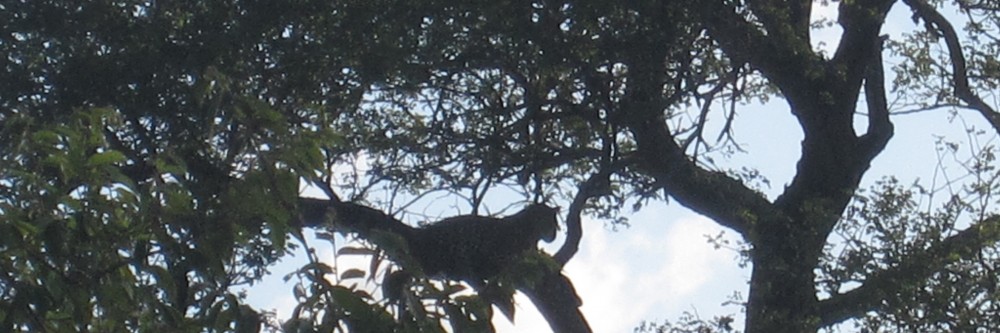
Tu b’Shevat – make us more tree

Mishnah Rosh Hashanah begins with two different set of four dates – the first mishnah speaks of the four new years for taxation/institutional official purposes-

אַרְבָּעָה רָאשֵׁי שָׁנִים הֵם. בְּאֶחָד בְּנִיסָן רֹאשׁ הַשָּׁנָה לַמְּלָכִים וְלָרְגָלִים. בְּאֶחָד בֶּאֱלוּל רֹאשׁ הַשָּׁנָה לְמַעְשַׂר בְּהֵמָה. רַבִּי אֶלְעָזָר וְרַבִּי שִׁמְעוֹן אוֹמְרִים, בְּאֶחָד בְּתִשְׁרֵי. בְּאֶחָד בְּתִשְׁרֵי רֹאשׁ הַשָּׁנָה לַשָּׁנִים וְלַשְּׁמִטִּין וְלַיּוֹבְלוֹת, לַנְּטִיעָה וְלַיְרָקוֹת. בְּאֶחָד בִּשְׁבָט, רֹאשׁ הַשָּׁנָה לָאִילָן, כְּדִבְרֵי בֵית שַׁמַּאי. בֵּית הִלֵּל אוֹמְרִים, בַּחֲמִשָּׁה עָשָׂר בּוֹ:

They are four New Years: On the first of Nisan is the New Year for kings; And for (the order of) the Festivals, On the first of Elul is the New Year for animal tithes; Rabbi Elazar and Rabbi Shimon say: on the first of Tishrei. On the first of Tishrei is the New Year for years, (including for counting)Sabbatical Years and Jubilee Years, for planting young trees , and for (tithing) vegetables, On the first of Shevat is the New Year for the tree in accordance with the statement of Beit Shammai. But Beit Hillel say: The New Year for trees is on the fifteenth of Shevat.

The second Mishnah tells us about the four days of judgement:

בְּאַרְבָּעָה פְרָקִים הָעוֹלָם נִדּוֹן, בְּפֶסַח עַל הַתְּבוּאָה, בַּעֲצֶרֶת עַל פֵּרוֹת הָאִילָן, בְּרֹאשׁ הַשָּׁנָה כָּל בָּאֵי הָעוֹלָם עוֹבְרִין לְפָנָיו כִּבְנֵי מָרוֹן, שֶׁנֶּאֱמַר (תהלים לג) הַיּוֹצֵר יַחַד לִבָּם, הַמֵּבִין אֶל כָּל מַעֲשֵׂיהֶם. וּבֶחָג נִדּוֹנִין עַל הַמָּיִם:

At four times of the year the world is judged: On Passover judgment is passed concerning grain; on Shavuot concerning fruits that grow on a tree; on Rosh HaShana, all creatures pass before Him like sheep [benei maron], as it is stated: “He Who fashions their hearts alike, Who considers all their deeds” (Psalms 33:15); and on the festival of Sukkot they are judged concerning water, i.e., the rainfall of the coming year.

At first sight, the connection between the two seems to be simply that the author of the Mishnah is grouping sets of four. But look a little closer and we see some quirks within the texts that draw attention – specifically I’m interested in the preponderance of trees – three of the eight special days mention them, and that in fact each time rather than mentioning trees (plural), the mishnah speaks of “tree” (singular) – even though the mishnaic word for tree – Ilan – has a regular plural.

The word for tree in bible is עץ  (eitz) whereas the rabbinic literature tends to use the word  ָאִילָן ilan”, influenced by the Aramaic, and also probably in order to distinguish more between different species of tree. 

Curiously in Biblical Hebrew, the word עץ seems to mean either ‘a’ tree (singular) or trees (plural), and when found in the plural form עצים (eitzim), the meaning is never “trees”, but “wood”.

It is likely to be a two letter root, though it may be derived from יעץ ya’atz – meaning to advise or to counsel, or the verb עצם atzam – to be strong or mighty, from which we get the noun  עצם etzem, meaning bones.  Or it could be connected to עצה meaning to bind or to attach.

What does this tell us about ancient Judaism’s view of trees?  Trees appear frequently in our texts and at critically important junctures in the narratives.. In the first story of Creation, on the third day God separated the sea from the dry land and then created the very first living things – trees.

וַיֹּ֣אמֶר אֱלֹהִ֗ים תַּֽדְשֵׁ֤א הָאָ֙רֶץ֙ דֶּ֗שֶׁא עֵ֚שֶׂב מַזְרִ֣יעַ זֶ֔רַע עֵ֣ץ פְּרִ֞י עֹ֤שֶׂה פְּרִי֙ לְמִינ֔וֹ אֲשֶׁ֥ר זַרְעוֹ־ב֖וֹ עַל־הָאָ֑רֶץ וַֽיְהִי־כֵֽן׃

And God said, “Let the earth sprout vegetation: seed-bearing plants, fruit trees of every kind on earth that bear fruit with the seed in it.” And it was so. (Genesis 1:11-12)

In the second creation story we read וַיִּטַּ֞ע יְהֹוָ֧ה אֱלֹהִ֛ים גַּן־בְּעֵ֖דֶן מִקֶּ֑דֶם וַיָּ֣שֶׂם שָׁ֔ם אֶת־הָֽאָדָ֖ם אֲשֶׁ֥ר יָצָֽר׃

The ETERNAL God planted a garden in Eden, in the east, and placed there the Human who had been fashioned.

וַיַּצְמַ֞ח יְהֹוָ֤ה אֱלֹהִים֙ מִן־הָ֣אֲדָמָ֔ה כׇּל־עֵ֛ץ נֶחְמָ֥ד לְמַרְאֶ֖ה וְט֣וֹב לְמַאֲכָ֑ל וְעֵ֤ץ הַֽחַיִּים֙ בְּת֣וֹךְ הַגָּ֔ן וְעֵ֕ץ הַדַּ֖עַת ט֥וֹב וָרָֽע׃

And from the ground the ETERNAL God caused to grow every tree that was pleasing to the sight and good for food, with the tree of life in the middle of the garden, and the tree of knowledge of good and bad.  (Genesis 2:8-9)

It seems as if the creation of trees and the creation of human beings are intimately connected. Each are at the pinnacle of their category of creation.

The midrash (Kohelet Rabbah 7:13) tells the following story ““When God created the first human being he took him and showed him all the trees  of the Garden of Eden and said to him, ‘See my works, how beautiful and praiseworthy they are. And everything that I created, I created it for you. Be careful not to spoil or destroy my world–for if you do, there will be nobody after you to repair it.’”

God tells Adam that the trees were created for human beings, and warns him that any damage to them will be irreparable – beautiful trees created for humanity must be cared for scrupulously. The lives – and potentially the deaths – of trees and humanity are intertwined.

This is, I think beautifully embedded in the idea of our bones being connected to the word for tree. Beyond the idea of a human skeletal frame mirroring a tree, beyond the idea of bones being strong and supportive and connected, the bone is the innermost and most enduring part of the body and so the word comes also to express the core of a person, their essence or substance or ultimately, themselves.

Louis Ginzberg in his “Legends of the Jews” – a compendium of stories and midrashim in Jewish text, tells us

The  main  creation  of  the  third  day  was  the  realm  of  plants,  the  terrestrial  plants  as  well  as  the  plants  of  Paradise. First  of  all  the  cedars  of  Lebanon  and  the  other  great trees  were  made.  In  their  pride  at  having  been  put  first, they  shot  up  high  in  the  air.  They  considered  themselves the  favoured  among  plants.    Then  God  spoke,  ”  I  hate  arrogance  and  pride,  for  I  alone  am  exalted,  and  none  beside,” and  He  created  the  iron  on  the  same  day,  the  substance  with which  trees  are  felled  down.  The  trees  began  to  weep,  and when  God  asked  the  reason  of  their  tears,  they  said :  ”  We cry  because  You have created  the  iron  to  uproot  us  therewith. All  the  while  we  had  thought  ourselves  the  highest  of the  earth,  and  now  the  iron,  our  destroyer,  has  been  called into  existence.”  God  replied :  ”  You  yourselves  will  furnish

the  axe  with  a  handle.  Without  your  assistance  the  iron will  not  be  able  to  do  aught  against  you.”  ”  (Ginzburg legends of the Jews Creation of the World 19)

Deuteronomy 20:19 speaks of behaviour in war,

כִּֽי־תָצ֣וּר אֶל־עִיר֩ יָמִ֨ים רַבִּ֜ים לְֽהִלָּחֵ֧ם עָלֶ֣יהָ לְתׇפְשָׂ֗הּ לֹֽא־תַשְׁחִ֤ית אֶת־עֵצָהּ֙ לִנְדֹּ֤חַ עָלָיו֙ גַּרְזֶ֔ן כִּ֚י מִמֶּ֣נּוּ תֹאכֵ֔ל וְאֹת֖וֹ לֹ֣א תִכְרֹ֑ת כִּ֤י הָֽאָדָם֙ עֵ֣ץ הַשָּׂדֶ֔ה לָבֹ֥א מִפָּנֶ֖יךָ בַּמָּצֽוֹר׃

“When in your war against a city you have to besiege it a long time in order to capture it, you must not destroy its trees, wielding the axe against them. You may eat of them, but you must not cut them down. Are trees of the field human to withdraw before you into the besieged city? “

While we traditionally read the last part of the verse as if it is a question, many commentators note that the literal meaning is not interrogative, but instead translates as “for a human is a tree of the field” (see for example BT Ta’anit 7a, or the comment of Ibn Ezra (ad loc) man is a tree of the field… In my opinion…The meaning is as follows: You may eat of them, but do not cut them down, for man is a tree of the field (i.e., the life of man depends on the trees of the field).

The interconnectedness of human beings and trees can be found all over our texts – from the trees in the Garden of Eden whose forbidden fruit is the catalyst to humans leaving that place, to the Proverb (3:18) that Torah is “Etz Chaim” a tree of life to all who grasp it עֵץ־חַיִּים הִיא לַמַּחֲזִיקִים בָּהּ וְתֹמְכֶיהָ מְאֻשָּׁר׃.  Trees provide shade and security in multiple narratives, most notably when Abraham sits under the oak trees of Mamre when he is visited by the angels who will announce the birth of Isaac, gopher wood  is used in the building of Noah’s ark, olive branches signpost the existence of dry land at the end of the great flood, Deborah sits under a palm tree to act as Judge. Bezalel makes the ark of the covenant from acacia wood, Aaron’s rod blossoms into an almond tree, and of course there is reference to cedars and cypress and olives and figs throughout the text. Trees accompany us through life, and even mark our graves (for example Deborah the nurse of Rebecca is buried under an oak and the place named “alon bacut – a tree of weeping). They are with us in the desert, in the mountains, on the plains – and in exile.  They act as sentry and as shade, signal the presence of water in dry lands and produce essential foods – olives, figs, pomegranates and dates….

So it is possibly not surprising that we have a particular blessing for seeing fruit trees in blossom. However this blessing is unusual, indeed it is unique, for in no other blessing do we refer to any natural being or event as being “of benefit to human beings”. We don’t bless the rain like this, nor crops, nor sunshine nor animals nor food nor wine –it is only when we see more than one flowering fruit tree together that this blessing is invoked.

בָּרוּךְ אַתָּה
יהוה אֱלֹהֵֽינוּ
מֶֽלֶךְ הָעוֹלָם
שֶׁלֹּא חִסֵּר בְּעוֹלָמוֹ כְּלוּם
וּבָרָא בּוֹ בְּרִיּוֹת טוֹבוֹת
וְאִילָנוֹת טוֹבוֹת
לְהִתְנָאוֹת בָּהֶן בְּנֵי אָדָם׃

Blessed are you, Adonai our God, ruler of the universe
who has made nothing lacking in the world at all, 
but Who created a good creation and good trees
for the children of Adam to benefit from them

To return to the midrash: in Bereishit Rabbah we read that as a response to the arrogance of the trees, God is said to have created iron on the same day. The trees cried out in fear – God had created the very material that would be used to destroy them. God’s response is telling – indeed there is the possibility of an axe being used to fell trees, but for such a destruction the trees would have to play a part – the handle of any axe would of necessity be made from wood.

I think of this story every time Tu b’Shevat comes around, and we focus on environmental ethics and ecological need. We often remind ourselves with the midrash from Kohelet that the world was created for human beings, but that if we damage it there is no one who will be able to put it right afterwards. This  is a frightening thought – there are long term and unmitigable consequences to our behaviour towards our world. But I think we should also remind ourselves that when great damage is done, it requires our participation or at the very least our assent. Environmental damage is done not by “others” with no connection to ourselves, but we have to admit that we too are part of the process.  Whether it is the clearing of rain forests for planting crops or palm trees for their oil. Whether it is the plague of plastic pollution in the oceans as well as on land, or the greenhouse gasses, emissions from transport vehicles of all kinds, food waste and food miles…. – we all partake of the creation of the damage. We are the wooden handle holding the iron blade, we are complicit.

I think it is almost impossible not to be party to the damage, though it is good for us to educate ourselves to mitigate our contribution. And trees also teach us that there can be growth and regeneration if the destruction is halted. The very word means has meanings of connection, of strength and wise counsel. And how often have we seen a tree stump regrow – be it the very real sycamore gap tree by Hadrian’s wall (https://www.npr.org/2024/08/01/nx-s1-5060047/sycamore-gap-tree-regrowth-go-tree-go) or the messianic metaphor in the prophesy of Isaiah (11:1-3) that A shoot will come up from the stump of Jesse; from his roots a Branch will bear fruit. /The Spirit of the Eternal will rest on him— the Spirit of wisdom and of understanding, the Spirit of counsel and of might, the Spirit of the knowledge and fear of the Lord—and he will delight in the fear of the Lord”.    Trees can, and do, regenerate.

We should maybe be “more tree”. Planted firmly on the earth and reaching up into the sky, Generous with our offerings to the world – the fruit and flowers of trees sustain not only human beings but many wild animals and birds. Bringing beauty and stability and strength and comfort to the world -trees provide shade and security and homes for many insects and birds.

Even to begin to understand our connectedness to nature,  to begin to mitigate our actions and our assent to the damage being done in our world, so that with small changes in behaviour we can make a difference, that I think is what these texts are telling us.

Tu biShvat is a date to focus our attention. And I think the date – even the disagreement about the date – is an important signal to us. It is the only  “new year” not to fall on the first of the month, but instead on the new moon. Discussion around the chosen date recognises that it fits no obvious good time for planting, or for the blossom to be open and seen – instead the traditional commentators make rather random claims that the rain is “mostly fallen” – it is still within the rainy season in Israel, a terrible time to plant as any gardener will advise.  So why claim a date that cannot be said to be seasonal for the calculation of tax of the fruit of trees? I think because tradition wants us to look further than the dry calculation of tithing and accountancy, to think about the importance of trees in our world, and to remind us of their deep connection to us.

In the poem by Max Halperin

Aseini K’Ilan: Make Me Like A Tree, Max Halperin
Make me like a tree rooted on the water, with fruit to give in its time.
Make me like lightning descending from the sky, illuminating the earth for a moment.
Make me like rain, light or heavy, that gives strength to a tired world.
Make me like wheat, simple and common, that brings forth our bread from the earth.
Make me like myrtle aside the lulav, that gives its color to joy.
Make me like a red rose with thorns, beautiful and strong in its way.
Make me like an olive with pure oil, a symbol of serenity and our dedication.
Make me like the sun that rises with us, which colors the sky with its light.
Make me like the dew on the grass, making the land glimmer at each dawn.
Make me like the sea, vast and unified, which renews the shore and itself.
Make me like a windflower, little and tall, a dot of color in the winter fields.
Make me like the moon alight in the darkness, smiling from among the stars.
Make me like the desert, open on all sides, strengthening all who trust it.
Make me like a river on the forest floor, rushing to enliven its world.
Make me like a bush with colorful flowers, beautifying its surroundings with its presence.
Make me like a cloud in a blue expanse, and its community that dances with the spirit.
Make me like an unripe fruit on its branch, constantly growing and sweetening.
Make me like nectar within a flower, feeding the smallest animals.
Make me like a rainbow against the gray, a promise of improving times.
Make me like a pomegranate with many seeds, a symbol of new beginnings.
Make me like a lily resting on the water, reaching up from the depths.
Make me like an apple waiting on its tree, prepared to ripen at its time.

עֲשֵׁנִי כְּאִילָן שָׁתוּל עַל הַמַּיִם, עִם פֵּרוֹת לָתֵת בִּזְמַנּוֹ

.עֲשֵׁנִי כְּבָרָק יוֹרֵד מִן שָׁמַיִם, שֶׁמֵּאִיר אֶת הָעוֹלָם לִשְׁנִיָּה

.עֲשֵׁנִי כְּגֶשֶׁם קַל אוֹ כָּבֵד, שֶׁנּוֹתֵן כֹּחַ לְעוֹלָם עָיֵף

.עֲשֵׁנִי כְּדָגָן פָּשׁוּט וְרָגִיל, שֶׁמּוֹצִיא לַחְמֵנוּ מִן הָאָרֶץ

.עֲשֵׁנִי כַּהֲדַס עַל יַד הַלּוּלָב, שֶׁנּוֹתֵן רֵיחוֹ לְשִׂמְחָה

.עֲשֵׁנִי כַּוֶּרֶד אָדֹם עִם קוֹצִים, יָפֶה וְחָזָק בְּדַרְכּוֹ

.עֲשֵׁנִי כַּזַּיִת עִם שֶׁמֶן זַךְ, סֵמֶל שֶׁל שַׁלְוָה וְשֶׁל חֲנֻכָּתֵנוּ

.עֲשֵׁנִי כְּחַמָּה עוֹלָה אִתָּנוּ, שֶׁצּוֹבַעַת הַשָּׁמַיִם עִם אוֹרָה

.עֲשֵׁנִי כִּטְלָלִים עַל הַדֶּשֶׁא, הַמְּנַצְנְצִים עַל הָאָרֶץ בְּכָל זְרִיחָה

.עֲשֵׁנִי כַּיָּם גָּדוֹל וּמְאַחֵד, שֶׁמְּחַדֵּשׁ אֶת הַחוֹף וְאֶת עַצְמוֹ

 .עֲשֵׁנִי כְּכַלָּנִית קְטַנָּה וּגְבוֹהָה, נְקֻדָּה שֶׁל צֶבַע בִּשְׂדוֹת הַחֹרֶף

.עֲשֵׁנִי כַּלְּבָנָה נָגַהּ בַּחֹשֶׁךְ, הַמְּחַיֶּכֶת מִתּוֹךְ הַכּוֹכָבִים

.עֲשֵׁנִי כַּמִּדְבָּר פָּתוּחַ בְּכָל צַד, שֶׁהֶחֱזִיק אֶת כָּל שֶׁהֶאֱמִין בּוֹ

.עֲשֵׁנִי כְּנָהָר עַל רִצְפַּת הַיַּעַר, שֶׁרָץ לִחְיוֹת עוֹלָמוֹ

.עֲשֵׁנִי כִּסְנֶה עִם פְּרָחִים צִבְעוֹנִים, יָפֶה סְבִיבָתוֹ עִם נוֹכְחוּתוֹ

.עֲשֵׁנִי כְּעָנָן בָּרָקִיעַ כָּחֹל, וּקְהִלָּתוֹ שֶׁרוֹקֶדֶת עִם הָרוּחַ

.עֲשֵׁנִי כְּפָגָה עַל עֲנָפָהּ, גְּדֵלָה וּמוֹתֶקֶת תָּמִיד

.עֲשֵׁנִי כְּצוּף בְּתוֹךְ הַפֶּרַח, מַאֲכִיל לְהַחֲיוֹת הַהֲכִי קִתְנוֹת

.עֲשֵׁנִי כְּקֶשֶׁת כְּנֶגֶד הָאָפֹר, הַבְטָחָה לִזְמַנִּים מְשֻׁפָּרִים

.עֲשֵׁנִי כְּרִמּוֹן עִם גַּרְעִינִים רַבִּים, הַמְּבַשֵּׂר לְהַתְחָלוֹת חֲדָשׁוֹת

.עֲשֵׁנִי כְּשׁוֹשָׁן נָח עַל הַמַּיִם, שֶׁהוֹשִׁיט כִּתְרוֹ לְמַעְלָה מֵהָעֵמֶק

.עֲשֵׁנִי כְּתַפּוּחַ מְחַכֶּה עַל עָצוּ, נָכוֹן לְבַשֵּׁל בְּעִתּוֹ

A Tree of Life – and life giving trees: Tu b’Shevat

“One day Choni the circle maker was journeying on the road and he saw a man planting a carob tree; he asked him, How long does it take [for this tree] to bear fruit? The man replied: Seventy years. He then further asked him: Are you certain that you will live another seventy years? The man replied: I found [ready-grown] carob trees in the world; as my ancestors planted these for me so I too plant these for my children”.            ( Talmud Bavli: Taanit 23a)

Trees are deeply important in our tradition, and also have their own relationship with God. They are prominent in our texts – mentioned at the Creation, vital to the narrative in the Garden of Eden; the Hebrew word for tree appears in the bible over 150 times and more than 100 different kinds of trees, shrubs and plants are named. The Mishnah follows suit, naming hundreds more plants in its legal codification. In all more than 500 different plants are named in our traditional texts.  Trees are a signifier of the connection the Jews have with the land, and reflect the relationship that we have with the Land of Israel – Moses repeatedly reminds us that we must care for the land and treat it well, and not only land but people – otherwise we will be driven out from there as other nations apparently were before us.  

Trees have a special place in how we create awareness of God. For they are not only part of the natural world, they are also used repeatedly in our texts as a metaphor for humanity, for life, for reaching upwards to God and rooting the self in the world.  Trees symbolise so much, they have a quasi-divine element, a quasi-human element. They feed us, they provide shelter, they bridge the generations, and they act as a bellwether for our moral state.

We read in Deuteronomy “ When you will besiege a city a long time, in making war against it to take it, you shall not destroy the trees by wielding an axe against them; you may eat of them, but you shall not cut them down; for is the tree of the field man, that it should be besieged by you? (20:19)

This image, comparing the fruit tree to human beings, powerfully reminds us of the damage that can be inflicted in a war between people, and in obliging us to protect the trees reminds us of what we have in common with them. If we should not cut down the fruit bearing tree, how much more so should we consider the safety of the people being besieged?

We are about to celebrate the festival of Tu b’Shevat – the fifteenth day of the month Shevat. Originally Tu b’Shevat was simply the way by which the age of trees was measured for purpose of tithing and of orlah (the first three years when the fruit was considered strictly God’s property and not to be eaten by anyone). In effect it marks the boundary of a tax year.

After the destruction of the second Temple in the year 70CE the taking of tithes from fruit trees fell into disuse, but the date remained special in our calendars. The Mishnah recorded four new years  and their dates: – Rosh Hashanah le’ilanot (Tu b’Shevat) for trees, Rosh Hashanah for years, Rosh Hashanah lema’aser behemah for tithing animals, and Rosh Hashanah le’mel’achim for counting the years of a king’s reign.

The date of Tu b’Shevat has stayed in our calendar throughout the time we were without our land, celebrated and noted by communities all over the world. The Kabbalists of Sfat in the 16th and 17th century developed a ritual – the Tu b’Shevat Seder – to represent our connection to the land of Israel and also to reflect the mystical concept of God’s relationship with our world being like a tree.  The Seder consisted of eating the different types of traditional fruits grown in Israel and connecting the different types of these fruit with each the Four Worlds of Kabbalistic theology, drinking four cups of wine that were each mixed with different proportions of wine with each cup of wine symbolizing one of the four seasons, and reading texts about trees.

The mystics understand Tu B’Shevat as being the day when the Tree of Life renews the flow of life to the universe.  And they taught that by offering blessings on Tu B’Shevat, a person can help in the healing of the world. From this came the belief that since on Tu B’Shevat we offer a blessing for each fruit before we consume it, the more fruits we eat, the more blessings we can offer to help heal the world.

In more modern times Tu b’Shevat has been a gift to the Zionist movement and the return to the Land. They have used it as an opportunity to plant trees in Israel as a way of transforming  the land, as well as re-attaching ourselves to the physical Land of Israel. And most recently the Jewish ecological movements have adopted the day to remind us in  powerful messages of our obligation to care for the environment.

All these themes bound up in Tu b’Shevat are important and helpful to our own Jewish identity and spirituality. There is an overarching theme of healing the world through our connections with nature, of the importance and symbiosis of our relationship with the natural world. And in our relationship with nature, we express our relationship with God. Caring for our world is a sacred task. As we read in Proverbs (3:18)

עֵץ־חַיִּ֣ים הִ֭יא לַמַּחֲזִיקִ֣ים בָּ֑הּ וְֽתֹמְכֶ֥יהָ מְאֻשָּֽׁר׃ 

[Wisdom] is a tree of life to those who grasp her, And whoever holds on to her is happy.

Our tradition asks: “How can a person of flesh and blood follow God? … God, from the very beginning of creation, was occupied before all else with planting.  Therefore … occupy yourselves first and foremost with planting.  – Midrash: Leviticus Rabbah 25:3

It reminds us that  “If you have a sapling in your hand and people tell you that the Messiah has come, plant the sapling and then go and greet him” (Avot de Rabbi Natan)

Parashat Yitro: the first learning of the people is that the earth belongs to God

L’italiano segue l’inglese

“If you will obey Me faithfully and keep My covenant, you will be My treasured possession among all the peoples. Indeed, all the earth is Mine. And you shall be to Me a kingdom of priests and a holy nation.” (Exodus 19:5-6)

The setting is shortly before the giving of the Torah at Sinai. God has called Moses up the mountain and told him what he must say to the Israelites encamped below.  There is about to be a particular agreement made between them and God, and embedded in it will be a special relationship – conditional on the people of Israel obeying God and keeping the covenant, they will become a “segulah” – a treasure, and they will become a nation with a special priestly role in the world. The idea is repeated in several places in bible, but in this (first) iteration, is the additional phrase “Ki li col ha’aretz” – all the earth is Mine”

There is a parallel passage in the book of Leviticus – in parashat Behar, which claims to be reporting  that which was said at Sinai, we are told “(25:23) “ And the land shall not be sold in perpetuity; for the land is Mine; for you are strangers and settlers with Me” Ki li ha’aretz” – for the earth is Mine.

At Sinai, when the people meet God, the message is made very clear –the earth and all that is in it is ultimately the possession of God. The plagues which had allowed them to be free of their slavery – these were phenomena of God. Sinai and her mysterious  shaking/smoking/shofar is also a manifestation of God’s power in the world. God is fully in charge of the earth – the world and everything in it is subject to God and God’s will.

At Sinai in parashat Yitro and beyond, the people will receive not only the Asseret haDibrot, the Ten Commandments – they will also receive the Mishpatim, all the laws and sub-clauses of the covenant with God. And many of these are to do with proper treatment of the land.  In the resonant text in Leviticus quoted above, they will receive the laws of shemittah and yovel – the cycle of letting the land rest, and of liberating and redistributing the land itself every 50 years.

When God introduces Godself to the people, it is with the phrase “for all the earth is Mine”. In part this is a necessary clarification of monotheism – there is only the one God, not the many manifestations beloved by the ancient world of agricultural peoples. But it is also the clarification that we are not – and never shall be – the owners of the earth. We are at best its stewards; it can never be sold to others or worked into barrenness. It is not something to be exploited or used to give us status or power over others. As the psalmist writes (Psalm 24)

לַֽ֭יהֹוָה הָאָ֣רֶץ וּמְלוֹאָ֑הּ תֵּ֝בֵ֗ל וְי֣שְׁבֵי בָֽהּ: ב כִּי ה֖וּא עַל־יַמִּ֣ים יְסָדָ֑הּ וְעַל־נְ֝הָר֗וֹת יְכוֹנְנֶֽהָ: ג מִי־יַֽ֭עֲלֶה בְהַ֣ר יְהֹוָ֑ה וּמִי־יָ֝קוּם בִּמְק֥וֹם קָדְשֽׁוֹ: ד נְקִ֥י כַפַּ֗יִם וּבַ֢ר לֵ֫בָ֥ב אֲשֶׁ֤ר לֹא־נָשָׂ֣א לַשָּׁ֣וְא נַפְשִׁ֑י וְלֹ֖א נִשְׁבַּ֣ע לְמִרְמָֽה: ה יִשָּׂ֣א בְ֭רָכָה מֵאֵ֣ת יְהֹוָ֑ה וּ֝צְדָקָ֗ה מֵאֱ֘לֹהֵ֥י יִשְׁעֽוֹ:

The earth is the Eternal’s and the fullness thereof; the world, and they that dwell therein

For God has founded it upon the seas, and established it upon the floods. Who shall ascend into the mountain of the Eternal? and who shall stand in God’s holy place?  The one who has clean hands, and a pure heart;  who has not taken My name in vain, and has not sworn deceitfully.  That one shall receive a blessing from the Eternal, and righteousness from the God of salvation.

Our agreement with God is predicated on our good relationship with the land. And the land’s fertility and accommodation to us is predicated on our good relationship with God, as described in the covenant at Sinai and beyond. In our relationship with God, the land has agency, is both sign and symptom of our connection.

There is already a hint of the overarching power of God in the world, and the meaning this gives our role in the world, in two earlier places in bible – both of which involve “outsiders”. When Malchitzedek, priest and king of Salem, greets Abram after the war of the four against the five, he makes a sacrifice of celebration, and says (Gen 14:19)

בָּר֤וּךְ אַבְרָם֙ לְאֵ֣ל עֶלְי֔וֹן קֹנֵ֖ה שָׁמַ֥יִם וָאָֽרֶץ:

Blessed  is Avram of the Most High God, owner of the heavens and the earth

Later, when Moses speaks to Pharaoh after the plague of hail, Pharaoh entreats Moses to ask God to cease the thunderstorms and the people will go free – and Moses replies “as I leave the city I will spread my hands to God and the thunder will cease…so that you will know that the earth belongs to God. (Exodus 9:29)

The plagues are not only for the Pharaoh or for the Egyptian people to understand the power of God in the world, they are also for the Israelite people trapped in slavery – the God who will lead them out of their misery is the ultimate power, who owns heaven and earth and all that is in them and on them.

So when God tells Moses to tell the encamped ex-slaves down below that God is the owner of heaven and earth, it is not new information, but is being stated here because the covenant depends on their – and our – understanding that we do not own the earth, that we are temporary residents upon it, that our behaviour will dictate whether we are able to live out our days in comfort and plenty – or not.

This week as we celebrated the minor festival of Tu Bishvat, we are reminded that of all the fruit we harvest, a portion must be given in tithe – to go to the priesthood, the vulnerable, those without land to create their own food supply. For the first three years (Tu bishvat is the cut-off date for the years since planting) the fruit will not be eaten (orlah), then the system of tithing (maaser sheni  and maaser  ani) would make the owner of the tree liable for giving a tenth of its produce to the Jerusalem Temple and to the poor.

Harvesting the fruit of a tree is labour intensive work. Giving away a portion of the fruit means we are constantly aware that the tree does not ultimately belong to us – we have use of it, we take care of it, but we cannot own it, nor the land it is rooted in.

As the people camp at the foot of Mt Sinai, the first learning they do is to understand that the earth and everything on it belongs to God.  Whatever our contract with God gives us or demands from us, ultimately this is God’s earth and we are sojourners and settlers who must treat it well or lose the privilege of the land.

We have grown used to ignoring this idea, to buying and selling land and natural resources, to plundering and over-fertilizing and gouging and sowing and tilling and harvesting as we like. We have grown used to making the land serve us rather than we serve it. Tu biShvat, and the words of God in introduction from Sinai  in this sidra come to remind us. “The earth and its fullness belong only to God”.

Parashat Ithrò: il primo apprendimento del popolo è che la terra appartiene a Dio

Di rav Sylvia Rothschild, pubblicato l’11 febbraio 2020

Ordunque se voi obbedirete alla Mia voce e manterrete il Mio patto sarete per me quale tesoro tra tutti i popoli, poiché a Me appartiene tutta la terra. E voi sarete per me un reame di sacerdoti, una nazione consacrata”. (Esodo 19: 5-6)

Lo scenario si colloca poco prima della consegna della Torà al Sinai. Dio ha chiamato Mosè sul monte e gli ha detto cosa doveva dire agli israeliti accampati più sotto. Sta per esserci un accordo particolare tra loro e Dio, e in esso si inserirà una relazione speciale, subordinata al fatto che il popolo di Israele obbedisca a Dio e mantenga l’alleanza: diventeranno una “segulà“, un tesoro, e diventeranno una nazione con un ruolo sacerdotale speciale nel mondo. L’idea si ripete in diversi punti della Bibbia, ma in questa (prima) iterazione, c’è la frase aggiuntiva “Ki li col ha haaretz” – tutta la terra è Mia”.

C’è un passaggio parallelo nel libro del Levitico: nella Parashat Behar, che afferma di riferire ciò che è stato detto al Sinai, ci viene detto (25:23) “E la terra non deve essere venduta per sempre; poiché la terra è mia; poiché voi siete estranei e coloni con Me“, Ki li ha’aretz, “poiché la terra è Mia”.

Al Sinai, quando il popolo incontra Dio, il messaggio è reso molto chiaramente: la terra e tutto ciò che è in essa è, in definitiva, possesso di Dio. Le piaghe che avevano permesso agli ebrei di essere liberi dalla loro schiavitù erano fenomeni di Dio. Anche il Sinai e il suo misterioso scuotimento/fumo/shofar è una manifestazione del potere di Dio nel mondo. Dio è totalmente responsabile della terra: il mondo e tutto ciò che è in esso è soggetto a Dio e alla volontà di Dio.

Al Sinai, nella parashà di Ithrò, e anche oltre, il popolo riceverà non solo le Asseret haDibrot, i Dieci Comandamenti, ma riceverà anche i Mishpatim, tutte le leggi e le sotto-clausole del patto con Dio. E molti di questi hanno a che fare con un adeguato trattamento della terra. Nel testo risonante del Levitico sopra citato, riceveranno le leggi di shemittà e yovel: il ciclo per lasciare riposare la terra e per liberare e ridistribuire la terra stessa ogni cinquanta anni.

Quando Dio si presenta al popolo, è con la frase “perché tutta la terra è mia”. In parte questo è un necessario chiarimento del monoteismo: esiste solo un solo Dio, non le molteplici manifestazioni amate dall’antico mondo dei popoli agricoli. Ma è anche il chiarimento che non siamo, e non saremo mai, i proprietari della terra. Nella migliore delle ipotesi siamo i suoi amministratori; non potrà mai essere venduta ad altri o portata alla sterilità. Non è qualcosa da sfruttare o utilizzare per darci status o potere sugli altri. Come scrive il salmista (Salmo 24)

לַֽ֭יהֹוָה הָאָ֣רֶץ וּמְלוֹאָ֑הּ תֵּ֝בֵ֗ל וְי֣שְׁבֵי בָֽהּ: ב כִּי ה֖וּא עַל־יַמִּ֣ים יְסָדָ֑הּ וְעַל־נְ֝הָר֗וֹת יְכוֹנְנֶֽהָ: ג מִי־יַֽ֭עֲלֶה בְהַ֣ר יְהֹוָ֑ה וּמִי־יָ֝קוּם בִּמְק֥וֹם קָדְשֽׁוֹ: ד נְקִ֥י כַפַּ֗יִם וּבַ֢ר לֵ֫בָ֥ב אֲשֶׁ֤ר לֹא־נָשָׂ֣א לַשָּׁ֣וְא נַפְשִׁ֑י וְלֹ֖א נִשְׁבַּ֣ע לְמִרְמָֽה: ה יִשָּׂ֣א בְ֭רָכָה מֵאֵ֣ת יְהֹוָ֑ה וּ֝צְדָקָ֗ה מֵאֱ֘לֹהֵ֥י יִשְׁעֽוֹ:

            Al Signore appartengono la terra e ciò che essa contiene.

            Poiché Dio ha fondato la terra sui mari e l’ha basata sui fiumi. Chi è degno di salire al monte del Signore e chi potrà stare nel luogo a Lui consacrato? Colui che ha le mani nette ed è puro di cuore; che non si è rivolto a cose false né ha giurato per ingannare. Egli otterrà benedizione dal Signore e la giustizia dal Dio che lo salva.

Il nostro accordo con Dio si basa sul nostro buon rapporto con la terra. E la fertilità e la sistemazione della terra per le nostre esigenze sono basati sul nostro buon rapporto con Dio, come descritto nell’alleanza del Sinai e oltre. Nel nostro rapporto con Dio, la terra ha un ruolo, è sia segno che sintomo della nostra connessione.

C’è già un accenno al potere globale di Dio nel mondo, e il significato che questo conferisce al nostro ruolo nel mondo, in due precedenti luoghi della Bibbia, entrambi i quali coinvolgono “estranei”. Quando Melchisedek, sacerdote e re di Salem, saluta Abramo dopo la guerra dei quattro contro i cinque, fa un sacrificio di celebrazione e dice (Gen 14:19)

בָּר֤וּךְ אַבְרָם֙ לְאֵ֣ל עֶלְי֔וֹן קֹנֵ֖ה שָׁמַ֥יִם וָאָֽרֶץ         Benedetto tu sia,  Abramo,  dal Dio Altissimo, padrone del cielo e della terra.

            Più tardi, quando Mosè parla al faraone dopo la pestilenza della grandine, il faraone invita Mosè a chiedere a Dio di cessare i temporali e il popolo sarà libero, e Mosè risponde “Appena uscito dalla città stenderò le mani verso il Signore in segno di preghiera e allora i tuoni cesseranno… … affinché tu riconosca che la terra appartiene a Dio”. (Esodo 9:29)

Le piaghe non servono solo per far capire al faraone o al popolo egiziano il potere di Dio nel mondo, ma anche al popolo israelita intrappolato nella schiavitù che il Dio che li condurrà fuori dalla sua miseria è il potere supremo, che possiede il cielo e la terra e tutto ciò che è in loro e su di loro.

Così quando Dio dice a Mosè di dire agli ex schiavi accampati più sotto che Dio è il proprietario del cielo e della terra, non si tratta di informazioni nuove, ma la dichiarazione viene fatta qui perché l’alleanza dipende dalla loro, e nostra, comprensione che non possediamo la terra, che siamo temporaneamente residenti su di essa, che il nostro comportamento determinerà se siamo in grado di vivere i nostri giorni in tutta comodità e abbondanza, o no.

Questa settimana, quando abbiamo celebrato la festa minore di Tu B’Shvat, ci è stato ricordato che di tutto il frutto che raccogliamo, una parte deve essere data in decima, per andare al sacerdozio, ai vulnerabili, ai senza terra per creare il loro approvvigionamento di cibo. Per i primi tre anni (Tu B’Shvat è la data limite per gli anni dalla semina) il frutto non verrà mangiato (orlà), quindi il sistema della decima (maaser sheni e maaser ani) renderebbe responsabile il proprietario dell’albero per la donazione di un decimo dei suoi prodotti al Tempio di Gerusalemme e ai poveri.

La raccolta del frutto di un albero è un lavoro ad alta intensità di fatica. Dare via una porzione del frutto significa che siamo costantemente consapevoli che l’albero non ci appartiene in via definitiva: ne abbiamo uso, ce ne occupiamo, ma non possiamo possederlo, così come la terra in cui è esso è radicato.

Mentre il popolo si accampa ai piedi del Monte Sinai, il suo primo apprendimento è capire che la terra e tutto ciò che vi è in essa appartiene a Dio. Qualsiasi cosa il nostro contratto con Dio, ci dia o esiga da noi, in definitiva questa è la terra di Dio e siamo residenti e coloni che devono trattarla bene o ne perderemo il privilegio.

Ci siamo abituati a ignorare questa idea, ci siamo abituati ad acquistare a vendere i terreni e le risorse naturali, a saccheggiare e all’eccessivamente fertilizzare, a scavare, a seminare, a lavorare e a raccogliere come ci piace. Ci siamo abituati a farci servire dalla terra piuttosto che a servirla. Tu b’Shvat e le parole di Dio introdotte dal Sinai in questa sidra vengono a ricordarci. “La terra e la sua pienezza appartengono solo a Dio“.

Traduzione dall’inglese di Eva Mangialajo Rantzer


In honour of Tu b’Shevat: to whom does the land belong?

One day Chaim, a landowner, had to leave the town for a while, and he left his land in the care of Jacob. Jacob worked hard on the land, taking great care to weed it, fertilise it, dig it over; then he planted a crop, weeded and watered it, and the land gave bountifully in return. And so it went until Chaim returned, and reclaimed his land. “Thank you for all you have done” he said, “but now I have come back I wish to work this land, for it belongs to me”. But Jacob resisted. “No!” he said. “I have worked this land and made it even more fertile and good; this land now belongs to me, by virtue of my work to enhance it and make its soil rich and productive. You may be the legal owner on paper, but I am the owner in reality”. The two of them struggled and fought, shouted and argued, each of them claiming their ownership of the land. Eventually they were persuaded to go to the local Rabbi for arbitration of their dispute, and they agreed to abide by the decision of that Beit Din. So off they went, and each passionately put his case of ownership, by virtue of legal document or by virtue of practical working and protecting. The rabbi listened to both sides carefully, and declared “the question is a complex one, for each of you have made a good case as to why the land should belong to you, but there is a third party in this case who has not yet spoken. Come with me”. So Chaim and Jacob went with the rabbi out to the field in question, wondering who the third party to the dispute might be. And they were surprised when the rabbi bent down, ear to the earth, and silently appeared to be listening. “What are you doing? Where is the other person who has claim to this land?” each of them shouted, looking round and gesticulating furiously to defend their claim from the unknown plaintiff. After a moment the rabbi got up and brushing down his clothing he said. “Gentlemen, each of you say that the land belongs to you. Each of you has made the case for your ownership. But I have asked the third party to this dispute – I have asked the land to whom it belongs, and the land has told me that neither of you own this land. The land has told me that you belong to it.”  (Jewish folktale)

Tu b’Shevat and a recipe for date and walnut loaf

In the first Mishnah of Rosh Hashanah we are told of four different New Years, and one of them is the New Year for trees, which falls on the 15th (ו “ט   Tet Vav) of month of Shevat. It sounds odd at first – why should trees have a new year? What do they do to celebrate it? Well sadly the trees do nothing to celebrate, this is a date set for tax purposes – we are commanded to offer certain tithes from our grains and fruit trees, firstly to give ‘Terumah’ an offering to God in thanksgiving which was originally brought to the Temple, then to offer three different offerings in different agricultural years – one share given to the Levites, one share to be eaten in Jerusalem, and one share to be given to the poor.  Also the age of a tree for the purposes of “orlah” (one is not allowed to eat the fruit from a tree in its first three years) was counted using Tu B’Shevat. The criteria as to which year a fruit fell into for tax purposes included which year it was formed in, and the critical date was the 15th of Shevat. Why this date? Because in Israel it was understood that the trees begin to grow on this date, coming out of their winter dormancy and beginning to form flowers and fruits.

While for a long time after the fall of the Temple the minor festival of Tu B’Shevat was effectively not much practised except in some liturgical amendments, it was not totally forgotten and there was an Ashkenazi custom to eat the different fruits and grains of Israel on the day “in honour of the significance of the day” and so grapes, figs, pomegranates, dates, olives, wheat and barley were all consumed especially on this day.  In 16th Century Sfat in Northern Israel the Kabbalists who had gathered there connected the trees and fruit of the land with their own mystical tradition which used the idea of a Tree of Life with roots in the divine space and its branches in our world. They developed the kabbalistic Seder we know today. And of course return to the land and a renewed connection with the agricultural cycle has given Tu B’Shevat a new impetus in Jewish life today. 

Trees have always been special in Jewish tradition, and fruit trees most of all. In bible the first thing that God does is to plant a garden within which are trees of all kinds and of course those two particularly special fruit trees – the Tree of the Knowledge of Good and Evil (the fruit of which was eaten by Adam and Eve) and the tree of Life (whose fruit was specifically protected from being eaten by the expulsion from the garden of Adam and Eve).  We are told that in order to imitate God, we too should plant our gardens and tend them well and planting trees in the Land of Israel is a mitzvah for us to this day. Rav Kook, the first Ashkenazi Chief Rabbi of British Mandate Palestine wrote that agriculture has the power to unify the Jewish people, and that our ideal Jewish society should be based on agriculture rather than on commerce. Commenting on Mishnah Bikkurim 3:3 which tells us that “All the professionals in Jerusalem would stand before them (the farmers) and inquire as to their welfare,” Rabbi Kook wrote: “….When the nation is morally depraved, when individuals’ eyes and heart are only upon money, these two types, those who engage in nature and those who engage in artifice become alienated from one another. The farmers, who dwell in villages close to nature, will be the object of disrespect on the part of the professionals who have learned how to live as a society divorced from nature.”  He worried that we would develop into a people who did not value the land and those who work it and who feed us all from it.

Fruit trees have a special place in our tradition – from the biblical injunction not to cut down fruit trees in times of war and siege to the extraordinary blessing to be said on seeing for the first time that year a fruit tree in bloom  “Blessed are You, Eternal our God, King of the universe, Who has ensured there is nothing lacking in the world, and Who created in it good creatures and good trees in order to benefit and give pleasure to people, we are reminded that our lives are dependent on trees and plants, that we are nourished and sustained by them and would quickly die if they failed. 

Tu B’Shevat comes to remind us to look again at how we value our trees and our land, and how we value those who work with the land in order to provide our food. It reminds us that we are all dependent on the natural world, that we must look after it and keep it in good order not only for our time but for the generations that follow. The midrash in Kohelet Rabbah tells us that God took the first human being around the Garden of Eden and said “See my works, how beautiful and praiseworthy they are, and everything that I created, I created for you. Be careful. Do not spoil or destroy my world, for if you do there will be nobody who will come after you to repair it”

Recipe: My mum’s Date and Walnut Bread

½ cup roughly chopped walnuts

½ lb chopped dates

1 egg

1 teaspoon bicarbonate of soda

¾ cup boiling water

½ cup sugar

1 ½ cups self raising flour

Large knob of butter


Put dates, bicarbonate and butter into a bowl and pour on the water

Add beaten egg, flour etc and mix together

Bake in a loaf tin for one hour, 180C

(first written for wimshul cooks on wordpress in 2012)